



Edition №10
I’ve been listening to Cocteau Twins since 1984. I’ve seen them live twice and met them once, where I had a brief chat with all three members and got a signed copy of the setlist from the gig. Another of their records has been the most-played album I own since the year it came out; that one gets its own edition eventually. This edition is about Blue Bell Knoll, the record they made once they finally had the room and the time together.
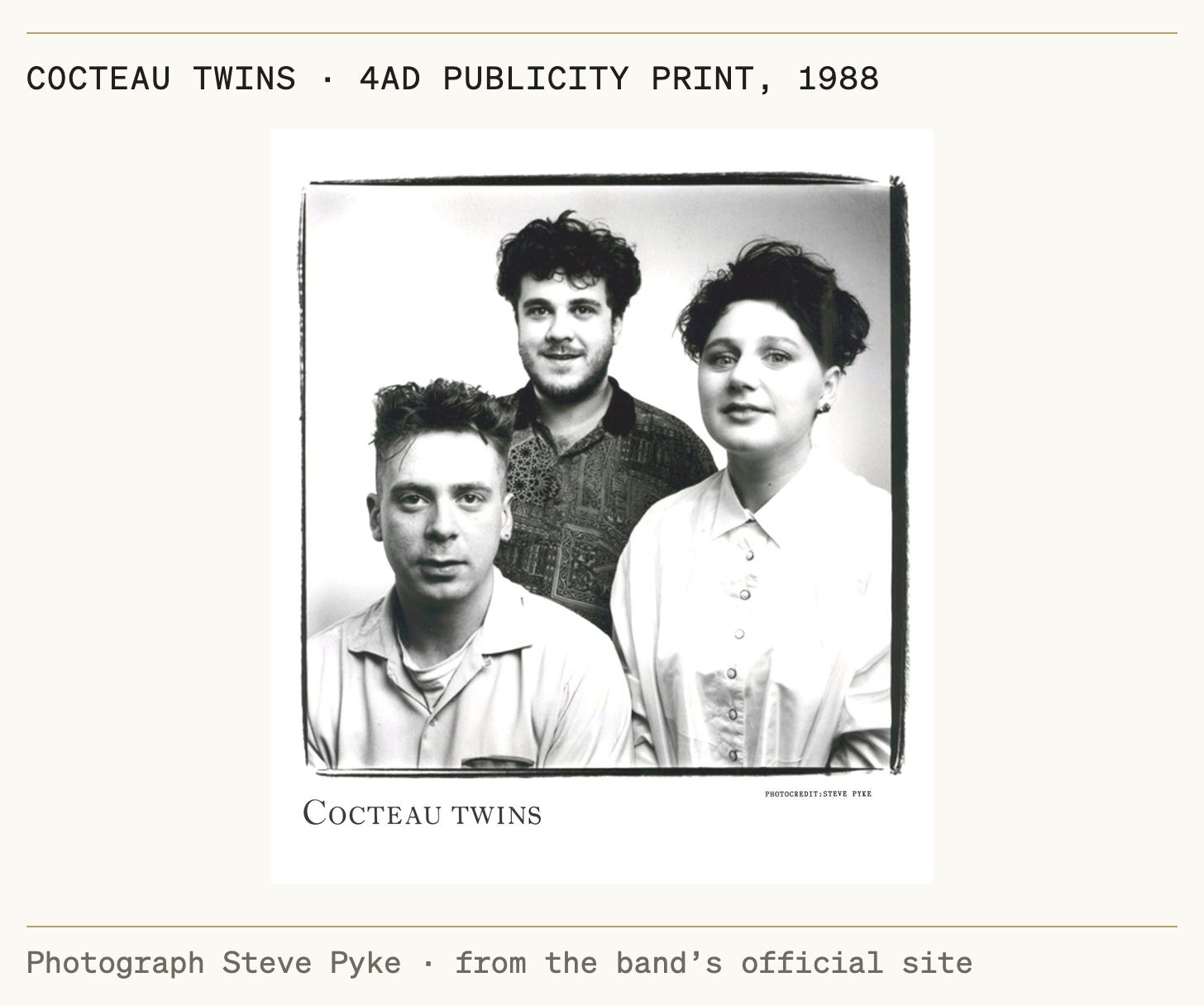
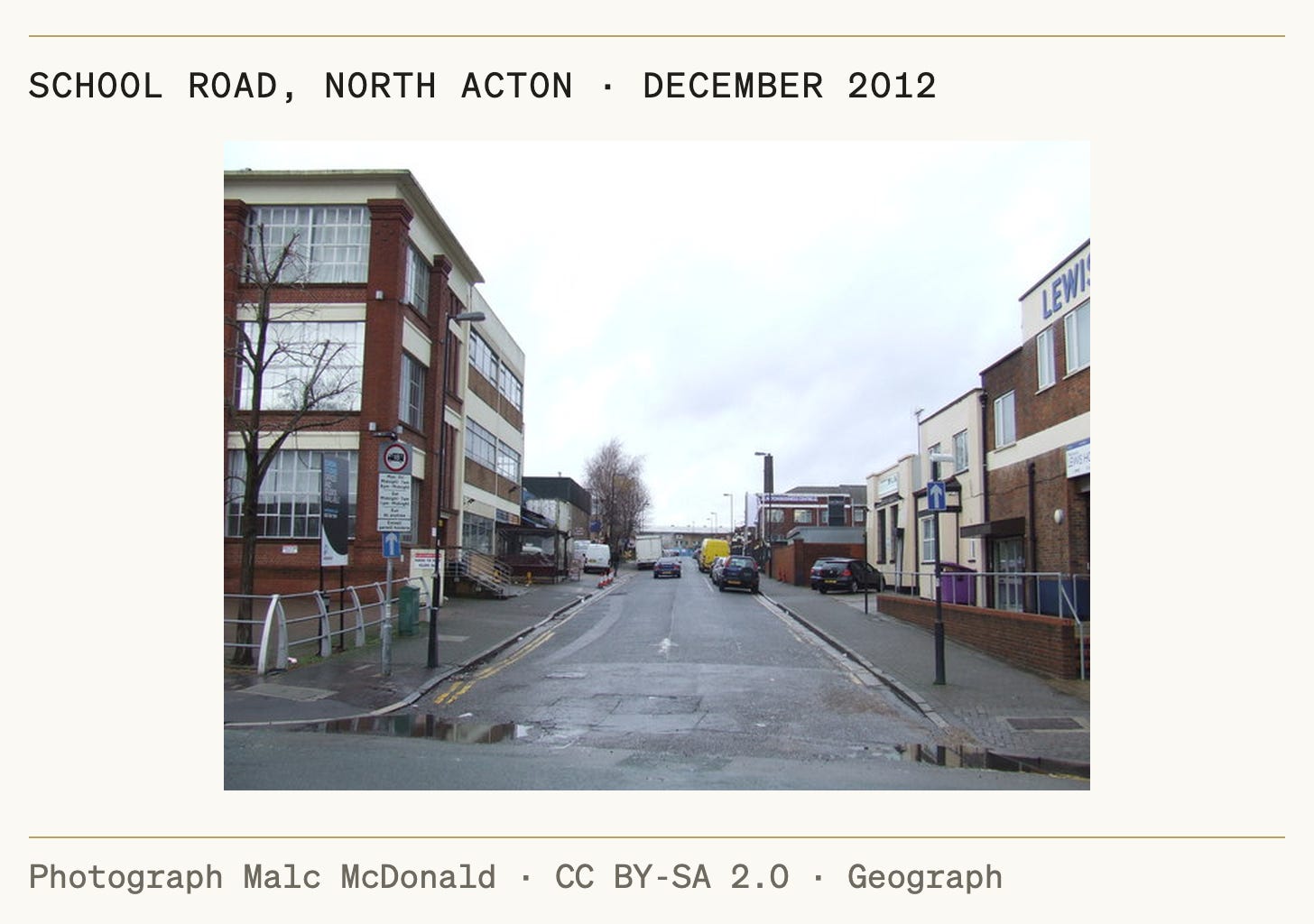
They had built the room two years earlier. Tired of working on other people’s clocks, they rented a unit on an industrial estate in School Road, North Acton, and put a studio inside it themselves. What they had not had since Treasure was a long, uninterrupted block in it, all three of them at once, to make a proper Cocteau Twins album. Blue Bell Knoll is that block.
You can hear what the time bought. “From the very first day of recording proper,” Simon Raymonde has written, “it felt like the shackles were off.” The ten instrumentals he and Robin Guthrie wrote sounded so complete going down that there was very little left to do at the mix. They were producing as they wrote. Speaking to Long Live Vinyl in 2019, he described them getting carried away enough to fill 23 of the 24 available tracks before Elizabeth Fraser had recorded anything. One track left, for all of her vocals. The story comes from interviews. His memoir does not mention it. The record is lush and unhurried in a way a few days at a time could never have produced, and Raymonde has called it a quantum leap forward from Treasure.
The tell is in the catalog number. Four decades of reissues and remasters sit downstream of that room, and the original is one letter away from the version to skip. Careful buyers still take the wrong one home.
The short answer
Blue Bell Knoll has two vinyl references. One is documented, one is measured, and neither outranks the other.
The 1988 original is the documented one. All-analog, recorded and mixed to tape, cut from the master the band made in that room, and the only version of this record whose path back to that tape anybody has published. Plenty of listeners prefer its voicing to any remaster. UK, US and German cuts run roughly $20 to $95 by edition. Original pressing: surface noise varies copy to copy. That is condition, not mastering. Verify grading before you buy.
The 2014 reissue is the measured one. Uncompressed, DR11 against the original’s DR12, tracking it peak for peak. Nobody has said who cut it or what they cut it from. Four pressings share that master; buy whichever comes up clean. About $26.
The Reference Buy List has the pick for every record I’ve researched.
That is the pick. A free subscription opens everything behind it: the best copy by format, the near-peers and the cautions, the catches, the chain from the session tape to your copy, and the people in the room when it was made.
Reference Checks is a Twelve Bar Studio production. If you’ve ever bought a record everyone praised and wondered why yours didn’t sound like the one they meant, that’s the problem I started this publication to solve. If there’s a record you’ve never been sure which copy to buy, reply and name it. Every title gets logged and the list helps decide what gets researched next. My listening chain is calibration context, named in the About page and kept out of every verdict. Research uses AI tooling; the verification and the editorial are mine. See Editorial process.